
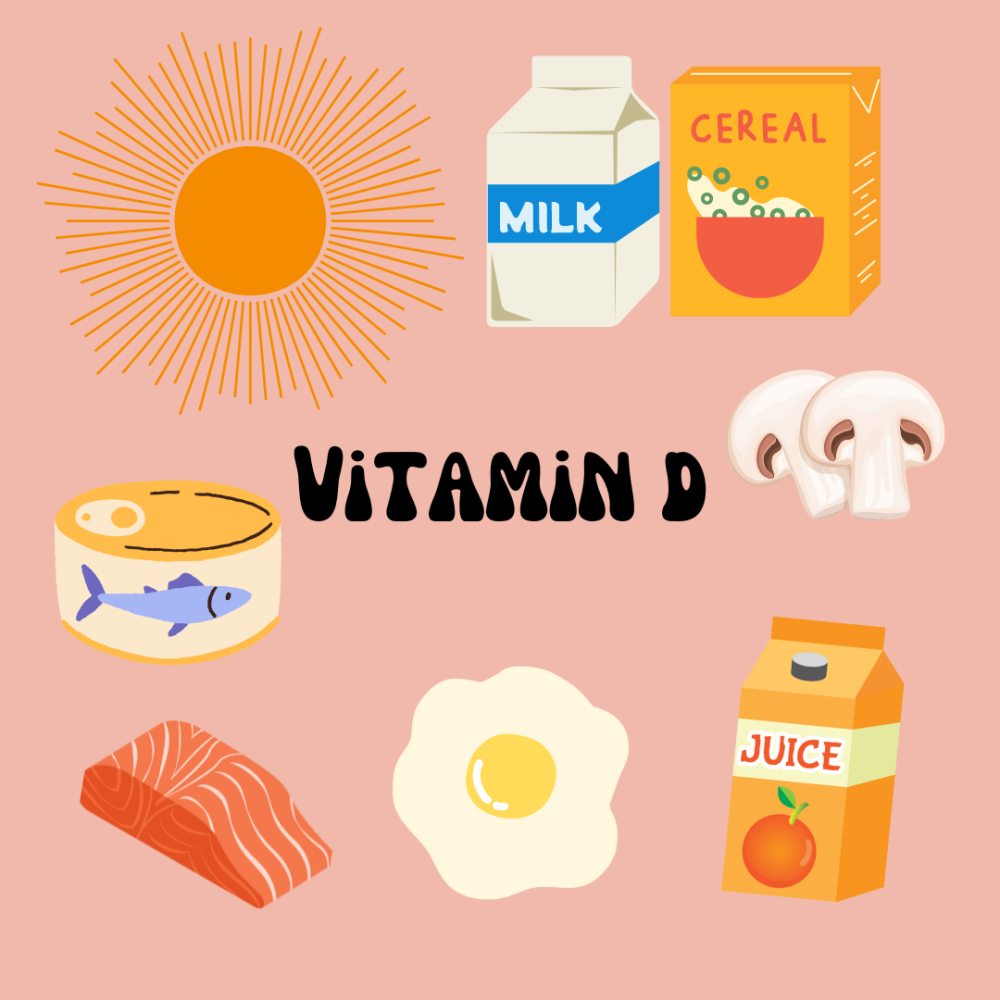
Discover the wonders of Vitamin D in this guide. Uncover how it is obtained from many sources and its myriad benefits. Learn the risks of deficiency and the importance of maintaining optimal levels. According to the Centers for Disease Control and Prevention, about 42% of the U.S. population is deficient in Vitamin D. So, whether you’re concerned about bone health and immune function or are simply curious about this essential nutrient, this blog will illuminate the multifaceted roles of Vitamin D in our health and well-being.
Metabolism from the Sun: The Making of the Sunshine Vitamin
So, how exactly do we get Vitamin D from the sun? Vitamin D synthesis begins when our skin is exposed to ultraviolet B (UVB) radiation from sunlight. This radiation converts a compound called 7-dehydrocholesterol into pre-vitamin D3, which is then transformed into cholecalciferol or Vitamin D3. Cholecalciferol travels via the bloodstream to the liver, where it becomes calcidiol, the stored form. Calcidiol converts the kidneys into calcitriol, the active form of vitamin D when needed.
Also consider that vitamin D production from sunlight depends on location, weather, time, and skin type. Typically, 10-30 minutes of sun exposure twice a week is sufficient. However, overexposure heightens the risks of skin damage and skin cancer, so take precautions. Dietary sources and supplements can help meet needs in less sunny conditions or during winter.
Absorption from Food: Beyond the Sun
Vitamin D can also be obtained through our daily diet, in addition to sunlight. Numerous naturally occurring and fortified foods are rich in vitamin D.
- Fatty fish, such as salmon, mackerel, and trout
- Egg yolks
- Swiss and cheddar cheese
- Beef liver
- Certain mushrooms, especially those exposed to sunlight
- Fortified Dairy products
- Fortified Cereals
- Fortified Juices
- Fortified plant-based milk
Vitamin D from food sources is absorbed in the small intestine with the help of dietary fats. It then travels to the liver, where it’s converted into calcidiol. When required, this stored form is transformed into active vitamin D. This process is similar to how our bodies process vitamin D from sunlight exposure. Thus, our bodies can efficiently use vitamin D from both the food we consume and sunlight exposure.
The Multifaceted Benefits
Vitamin D is pivotal in our health and well-being. Its influence spreads across various bodily functions; some examples include:
- Bone Health: Aids absorbing calcium and phosphorus -essential for bone health.
- Immune System: Helps modulate the immune response, protecting the body from various infections and diseases.
- Mood Regulation: Some studies suggest Vitamin D may affect mood regulation and reduce depression.
- Cognitive Function: There is ongoing research about Vitamin D and its potential association with a lower risk of cognitive impairment.
- Heart Health: Some studies suggest that Vitamin D might significantly affect heart health.
- Diabetes Management: There’s evidence that Vitamin D could help regulate insulin levels and support glucose metabolism, which is beneficial for diabetes management.
- Muscle Health: Essential for normal muscle development and function.
- Cancer Prevention: Some research suggests that vitamin D might be associated with a lower risk of certain types of cancer, including colon, breast, and prostate cancer. However, more research is needed to confirm these findings.
- Hormone Regulation: Vitamin D regulates hormones, impacting bone health, mood, insulin production, immune response, and blood pressure control.
Vitamin D plays a big role in bone health, calcium absorption, mood regulation, diabetes management, and immune health. While potential benefits on sleep, thyroid function, and estrogen production are being researched, more studies are needed to confirm this.
Meeting Your Daily Vitamin D Requirements: Natural Sources and Supplementation
The Recommended Dietary Allowances (RDAs) vary based on age, sex, and life stage:
- 400 IU (10 mcg) for infants up to 12 months old
- 600 IU (15 mcg) for children and adolescents aged between 1-18 years
- 600 IU (15 mcg) for adults up to 70 years, including those pregnant and breastfeeding
- 800 IU (20 mcg) for adults over the age of 70 years
These recommendations are intended to meet the needs of almost all healthy individuals. However, individual needs can vary, and some people may require higher doses due to certain health conditions or limited sun exposure.
To put it into perspective, one could consume items rich in vitamin D to fulfill the daily requirement from food.
- For instance, a serving size of salmon, about 3.5 ounces, provides approximately 9 to 17 mcg. Another convenient source is canned tuna, which is about 3 ounces and offers an estimated 5.8 mcg.
- Eggs, particularly the yolks, also contribute to vitamin D intake, offering around one mcg per whole egg. While this may seem small, every bit counts, especially for those aiming to meet their needs exclusively through diet.
- Fortified foods like dairy products, plant-based options, and orange juice can significantly increase vitamin D intake. For instance, a cup of fortified milk or orange juice provides approximately 2.5 to 3.4 mcg. Remember that these values can vary depending on the brand and preparation.
- Certain types of mushrooms, especially those grown under UV light, can provide up to 7.9 mcg in a half-cup serving.
- Fortified cereals, like oatmeal, can offer around 1 to 2 mcg per serving.
- While not commonly consumed, beef liver provides around 1.2 mcg per serving.
- Certain types of fish, such as herring and sardines, also contain significant levels of vitamin D.
Deficiencies and Supplementation: The Sunshine Shortage
The symptoms of a mild deficiency can often be subtle, making it hard to notice. These may include fatigue, bone pain, and muscle weakness.
Certain population groups are at a higher risk of vitamin D deficiency. These include individuals with limited sun exposure, those with darker skin (since melanin reduces the skin’s ability to produce vitamin D), seniors (as the skin’s ability to produce vitamin D declines with age), and individuals with certain health conditions that impair fat absorption, such as Crohn’s disease and celiac disease.
Severe vitamin D deficiency can lead to numerous serious health issues, including osteomalacia in adults, which results in the softening of bones, severe bone pain, and muscle weakness. In children, such a deficiency can cause rickets, a disease that results in soft and weak bones and skeletal deformities. Even beyond these physical symptoms, a severe deficiency can cause difficulty thinking, severe fatigue, and constant feelings of weakness or tiredness. It’s also associated with a higher risk of diseases like cardiovascular disease and certain types of cancers. In some cases, a severe deficiency can even lead to depression. In such instances, where the deficiency is significant, supplementation often becomes necessary. Supplements, which come in two forms: D2 (ergocalciferol) and D3 (cholecalciferol), can help elevate blood levels of vitamin D, with D3 shown to be more effective in maintaining these levels over time. However, since these symptoms are quite severe, it’s essential to consult a healthcare provider for an accurate diagnosis and treatment.
Supplementation Side Effects: Too Much?
While supplementing with vitamin D can benefit those with low levels, one must be careful, for unnecessarily excessive amounts can lead to toxicity. Vitamin D is a fat-soluble vitamin. Unlike water-soluble vitamins that get excreted by the body when taken in excess, fat-soluble vitamins like vitamin D can accumulate in our body’s fat stores.
Symptoms of vitamin D toxicity include nausea, vomiting, weakness, and frequent urination. Severe cases of toxicity can lead to hypercalcemia, a condition characterized by excessive levels of calcium in the blood. This can result in complications like kidney stones, bone pain, and heart arrhythmias.
Hence, while supplements can fill the gap in people with a deficiency, they should be taken under the guidance of a healthcare provider to evade potential side effects.
Cautionary Measures: Who Should Avoid Vitamin D Supplements?
Specific individuals should exercise caution or avoid Vitamin D supplements altogether. These include those with conditions such as hyperparathyroidism, lymphoma, sarcoidosis, tuberculosis, and kidney disease, which might cause high calcium levels in the blood when Vitamin D intake is increased. In addition, individuals with a history of kidney stones should be cautious, as excess Vitamin D can contribute to the formation of stones. Those taking certain medications, such as thiazide diuretics and digoxin, should also avoid Vitamin D supplements unless advised by a healthcare provider. It is always recommended to consult a healthcare professional before starting any new supplement regimen.
Conclusion
In conclusion, Vitamin D, often called the ‘sunshine vitamin,’ plays a pivotal role in our health. Synthesized through sun exposure and obtained from various foods, it supports bone health, modulates our immune system, and may contribute to mental well-being. However, many individuals suffer from Vitamin D deficiency, which can lead to several health issues. While certain foods and sun exposure can help maintain Vitamin D levels, supplementation may be necessary for some individuals. Nonetheless, it’s essential to consult a healthcare provider before starting any supplementation regimen to avoid potential side effects.
Resources
https://www.ncbi.nlm.nih.gov/pmc/articles/PMC3897598
National Institutes of Health – Vitamin D Fact Sheet for Health Professionals
National Institutes of Health – Vitamin D and the Immune System
National Institutes of Health – Vitamin D and Depression National Institutes of Health – Vitamin D and Cognitive Impairment
National Institutes of Health – Vitamin D and Cardiovascular Disease
National Institutes of Health – Vitamin D and Diabetes
National Institutes of Health – Vitamin D and Muscle Function
https://www.healthline.com/nutrition/9-foods-high-in-vitamin-d#fortified-foods
https://my.clevelandclinic.org/health/diseases/15050-vitamin-d-vitamin-d-deficiency